Your Black spots on oak tree leaves images are available. Black spots on oak tree leaves are a topic that is being searched for and liked by netizens now. You can Get the Black spots on oak tree leaves files here. Download all free photos.
If you’re looking for black spots on oak tree leaves images information connected with to the black spots on oak tree leaves interest, you have visit the right blog. Our site frequently gives you hints for viewing the maximum quality video and image content, please kindly hunt and find more enlightening video articles and images that fit your interests.
Black Spots On Oak Tree Leaves. Thats what was plaguing Gwens oak trees. Ganoderma on oak well developed shelf. Galls on Oak Leaves. Trees suffering from oak leaf blister will develop raised spots scattered on the leaves.
 Kittikens Oak Tree Drawings Botanical Drawings Botanical Prints From de.pinterest.com
Ganoderma on oak early in development. Oak Tree Oozing Black Liquid This bacterial disease attacks oak trees resulting in a sticky thick liquid dripping from leaves acorns and twigs. Inonotus early in the falland late in the fall. Spots often restricted by leaf veins. Most types of holly plants will first show black yellow or brownish spots on the leaves. Oak Leaf Blister Symptoms.
Trees may be defoliated but the problem is very rarely fatal for healthy oaks.
Ganoderma on oak well developed shelf. On the ground the movement of the larva inside the gall causes the gall to jump a few centimeters. Fungi secretions lead to overgrowth of leaf tissue and tend to occur during especially damp spring seasons. The center of the spot raises like a blister due to rapid cell growth. The foliage often falls from the affected trees prematurely and the fungi overwinter in the fallen leaves. Most types of holly plants will first show black yellow or brownish spots on the leaves.
 Source: pinterest.com
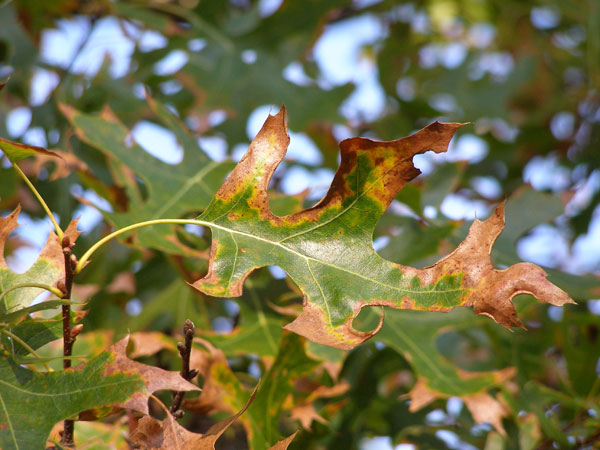
Brown leaves appear on trees in the white oak group in late spring. Red and black oaks are most susceptible. Ganoderma on oak early in development. Small spots that turn light green as the leaf grows. Trees may be defoliated but the problem is very rarely fatal for healthy oaks.
 Source: apps.extension.umn.edu
Drippy oak may occur after the bacteria enters. All oaks are susceptible. Wind carries the fungal. The lesions gradually expand and as additional layers of cells are formed it becomes raised and blister-like. Oak Leaf Blister.
 Source: apps.extension.umn.edu
Galls on Oak Leaves. Severe infections may cause the leaves to turn black curl up and fall. Underneath leaves will feel slightly sunken or indented. The symptoms of this holly disease are easy to see. Brown leaves appear on trees in the white oak group in late spring.
 Source: pinterest.com
Ganoderma on oak early in development. Black spot disease is diagnosed when black or brown spots appear on leaves. The symptoms of this holly disease are easy to see. All oaks are susceptible. The blisters are first a pale green or orange and then eventually turn brown or black.
 Source: fi.pinterest.com
Venturia causes a blight that affects the leaves leaf stems and young shoots. Drippy oak may occur after the bacteria enters. It impacts many trees but doesnt usually present any critical danger to them. Galls on Oak Leaves. Thats what was plaguing Gwens oak trees.
 Source: apps.extension.umn.edu
Most types of holly plants will first show black yellow or brownish spots on the leaves. Severely infected leaves will curl or drop early. Inonotus early in the falland late in the fall. ¼ to ½ inch sized leaf spots or blotches that are dark brown or reddish-brown. Small spots that turn light green as the leaf grows.
 Source: no.pinterest.com
Fungi secretions lead to overgrowth of leaf tissue and tend to occur during especially damp spring seasons. Fungi secretions lead to overgrowth of leaf tissue and tend to occur during especially damp spring seasons. Inonotus early in the falland late in the fall. The lesions gradually expand and as additional layers of cells are formed it becomes raised and blister-like. Eventually the leaves will start to fall off the bush.
 Source: pinterest.com
Severe infections may cause the leaves to turn black curl up and fall. Galls on Oak Leaves. Holm oak tree bark Oak tree leaves. The holm oak is identified by its glossy leaves. Ganoderma on oak well developed shelf.
 Source: pinterest.com
More information on Tubakia leaf spot. Eventually the leaves will start to fall off the bush. The center of the spot raises like a blister due to rapid cell growth. This fungus is characterized by the formation of black blotchy lesions on the upper side of oak leaves especially along the veins of the leaves. Underneath leaves will feel slightly sunken or indented.
 Source: pinterest.com
Fungi secretions lead to overgrowth of leaf tissue and tend to occur during especially damp spring seasons. Eventually the leaves will start to fall off the bush. More information on Tubakia leaf spot. Black spot disease is diagnosed when black or brown spots appear on leaves. The lesions gradually expand and as additional layers of cells are formed it becomes raised and blister-like.
 Source: plantdiseasehandbook.tamu.edu
Red and black oaks are most susceptible. The holm oak is identified by its glossy leaves. More information on Tubakia leaf spot. Black spot disease is a fungus that mostly attacks fruit trees like the cherry tree walnut grapevine raspberry blackcurrant oak or red currant certain shrubs like hydrangea and also vegetables such as cucumber bean pea or tomato. The symptoms of this holly disease are easy to see.
 Source: pinterest.com
It impacts many trees but doesnt usually present any critical danger to them. The center of the spot raises like a blister due to rapid cell growth. Inonotus early in the falland late in the fall. Oak tree bark. Galls on Oak Leaves.
 Source: pinterest.com
The center of the spot raises like a blister due to rapid cell growth. Inonotus early in the falland late in the fall. Diseases caused by Marssonina and Septoria fungi begin as small black spots that grow and eventually join forming large black dead spots on the trees leaves. Oak Leaf Blister. The center of the spot raises like a blister due to rapid cell growth.
 Source: pinterest.com
This fungus is characterized by the formation of black blotchy lesions on the upper side of oak leaves especially along the veins of the leaves. Spots often restricted by leaf veins. Brown leaves appear on trees in the white oak group in late spring. Most types of holly plants will first show black yellow or brownish spots on the leaves. Drippy oak may occur after the bacteria enters.
 Source: pinterest.com
On the underside are brown galls with the larva of a small wasp inside. Small spots that turn light green as the leaf grows. Venturia causes a blight that affects the leaves leaf stems and young shoots. Oak Tree Oozing Black Liquid This bacterial disease attacks oak trees resulting in a sticky thick liquid dripping from leaves acorns and twigs. The holm oak is identified by its glossy leaves.
 Source: tree-land.com
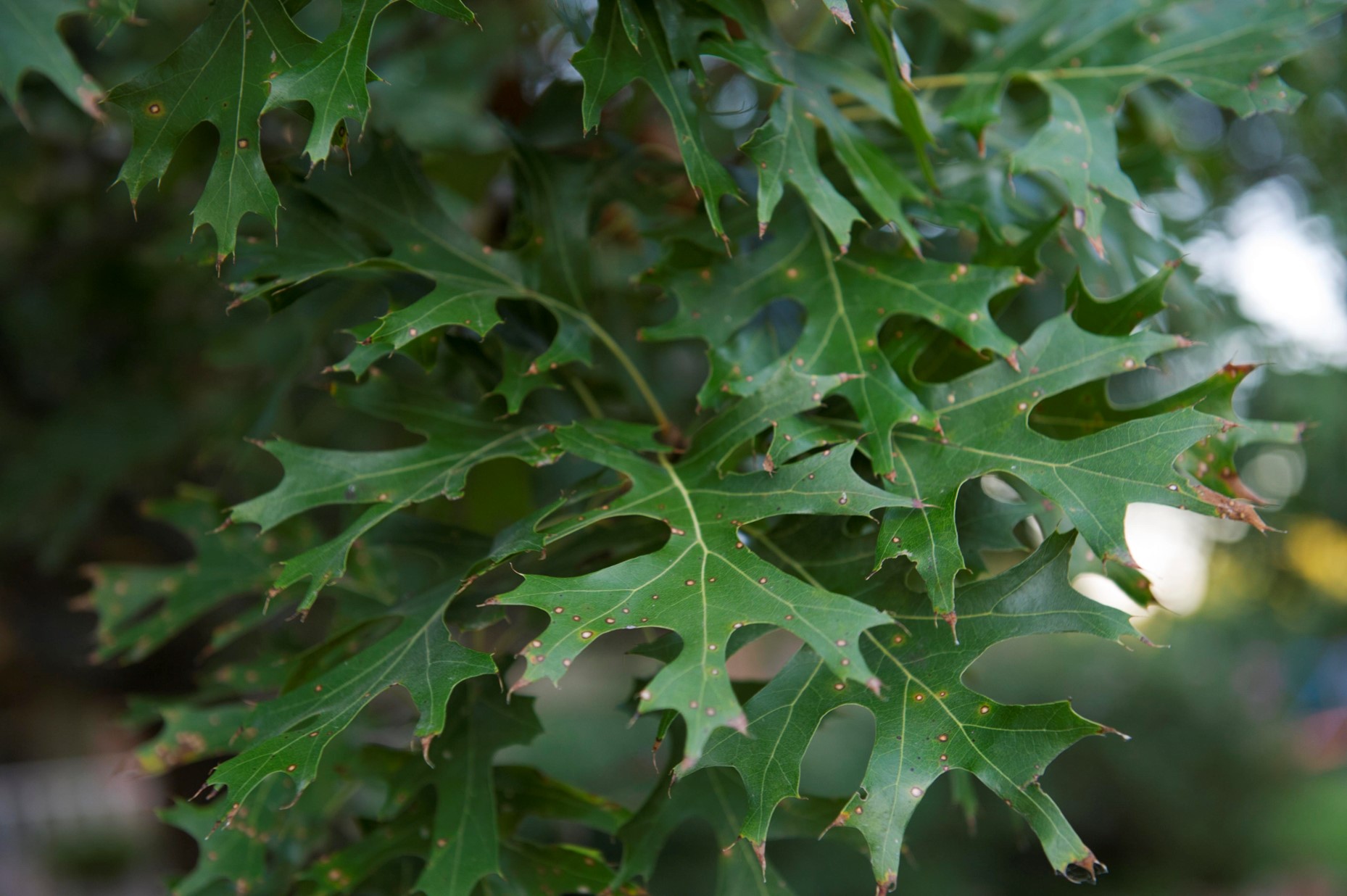
Small spots that turn light green as the leaf grows. Severely infected leaves will curl or drop early. Small spots that turn light green as the leaf grows. Black spot disease is diagnosed when black or brown spots appear on leaves. Trees suffering from oak leaf blister will develop raised spots scattered on the leaves.
 Source: es.pinterest.com
¼ to ½ inch sized leaf spots or blotches that are dark brown or reddish-brown. The symptoms of this holly disease are easy to see. This fungus is characterized by the formation of black blotchy lesions on the upper side of oak leaves especially along the veins of the leaves. Oak Tree Oozing Black Liquid This bacterial disease attacks oak trees resulting in a sticky thick liquid dripping from leaves acorns and twigs. Inonotus early in the falland late in the fall.
Source: de.pinterest.com
It impacts many trees but doesnt usually present any critical danger to them. Underneath leaves will feel slightly sunken or indented. Unlike other types of oak tree the Holm oak has gray to black bark with fine fissures that look more like small cracks on the tree similar to parched ground. Severe infections may cause the leaves to turn black curl up and fall. Most types of holly plants will first show black yellow or brownish spots on the leaves.
This site is an open community for users to submit their favorite wallpapers on the internet, all images or pictures in this website are for personal wallpaper use only, it is stricly prohibited to use this wallpaper for commercial purposes, if you are the author and find this image is shared without your permission, please kindly raise a DMCA report to Us.
If you find this site good, please support us by sharing this posts to your own social media accounts like Facebook, Instagram and so on or you can also save this blog page with the title black spots on oak tree leaves by using Ctrl + D for devices a laptop with a Windows operating system or Command + D for laptops with an Apple operating system. If you use a smartphone, you can also use the drawer menu of the browser you are using. Whether it’s a Windows, Mac, iOS or Android operating system, you will still be able to bookmark this website.


